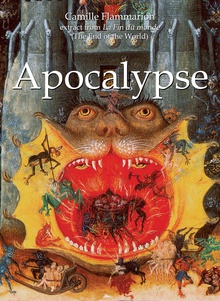
The final book of the Bible, known both as The Book of Revelation and The Apocalypse of John, is a prophesy of the events that will occur at the end of time. During the Middle Ages, in a society which held a deep belief in God and was mainly ruled by religious authorities, this apocalyptic theme recurs in art, through various media, including tapestries, illuminations, sculpture, and painting. This book pools the most famous pieces of art inspired by this theme, such as the Apocalypse drapery from Angers Cathedral, the carved tympanum of the Autun Cathedral, and the fresco in …
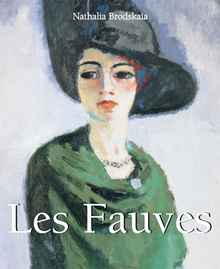
Apparu à l’aube du XXe siècle, le Fauvisme explosa sur la scène artistique lors du Salon d’automne de 1905 en un scandale retentissant. En jetant des couleurs pures sur la toile, les fauves défièrent les conventions artistiques. Matisse, Derain, Van Dongen ou encore Vlaminck expérimentèrent ainsi un nouveau langage chromatique en détournant la couleur de son signifié. Libérée de tout sens, la couleur saturée et appliquée en larges aplats devint leur principal matériau. Dans cet ouvrage, l’auteur entraîne le lecteur dans un tourbillon de couleurs vives et franches, et montre combien la violence des fauves laissa son empreinte sur le …

Sandro Botticelli (Alessandro di Mariano Filipepi) (Florence, 1445 – 1510) Botticelli était le fils d'un citoyen jouissant d'une situation confortable, et avait été «instruit dans toutes les choses que les enfants doivent habituellement savoir avant de choisir une vocation ». Mais il refusa de consacrer son attention à la lecture, l'écriture et le calcul, poursuit Vasari, de sorte que son père, désespérant de le voir un jour à l'école, le plaça en apprentissage auprès de l'orfèvre Botticello, d'où le nom qui est passé à la postérité. Mais Sandro, jeune garçon à l'air entêté, doté de grands yeux calmes et scrutateurs …
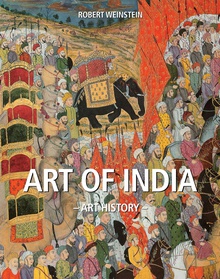
India, with its extensive and colourful history, has produced an artistic tradition in many forms. Architecture, painting, sculpture, calligraphy, mosaics, and artisan products all display the country's cultural, religious, and philosophical richness. From Hinduism, with its pantheon of imagery of gods, goddesses, animals, and many other figures, to Islam, with its astounding architecture and intricate calligraphy; the many facets of India have given rise to a fascinating and beautiful collection of artworks. Featuring incredible images and a text written by a renowned scholar on the subject, this work offers an in-depth look at the masterpieces of India, showcasing this fascinating …
Trazar líneas genealógicas entre varias obras de arquitectura separadas en el tiempo es una tarea relevante, y más cuanto mayor es el salto temporal entre ellas, para verificar si en una disciplina proyectual como la arquitectura, en la que la forma visual es un aspecto central, es posible afirmar que existe una continuidad esencial en el acto creativo, con independencia de que esté o no reconocida explícitamente por los propios creadores. Las obras de arquitectura que se comparan en las páginas de este libro a veces se parecen mucho y otras veces, simplemente, comparten algo. Muchas de las comparaciones han …
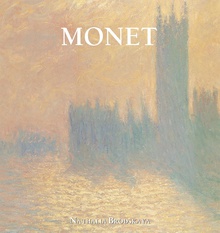
Para Claude Monet, el que se le considerara “impresionista” fue siempre un motivo de orgullo. A pesar de todas las críticas que se han hecho a su trabajo, siguió siendo un verdadero impresionista hasta el final de su muy larga vida. Lo era por convicción profunda y, por el impresionismo, pudo haber sacrificado muchas otras oportunidades que su inmenso talento le ofrecía. Monet no pintaba composiciones clásicas con figuras y nunca fue retratista, aunque su entrenamiento profesional incluía estas habilidades. Eligió un solo género y lo hizo suyo: el paisajismo, y en él logró un grado de perfección que ninguno …
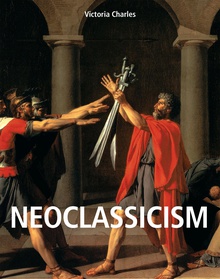
In the arts, Neoclassicism is a historical tradition or aesthetic attitude based on the art of Greece and Rome in antiquity. The movement started around the 18th-century, age of Enlightenment, and continued into the early 19th-century The general credo associated with the aesthetic attitude of Classicism was that art had to be rational and therefore morally better. Neoclassicists also believed that art should be cerebral, not sensual and therefore characterised by clarity of form, sober colours and shallow space. It was a reaction against both the surviving Baroque and Rococo styles, and a desire to return to the perceived ""purity"" …
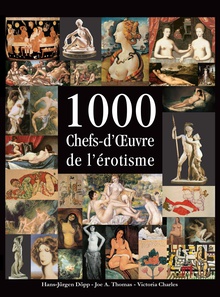
Toutes les régions et civilisations du monde ont traité de l’érotisme, chacune à leur manière, avec leurs niveaux de tolérance et leurs propres références culturelles. Ces tendances se sont reflétées dans les travaux eux-mêmes. Des statues millénaires célébrant la fertilité aux gravures de la Renaissance élaborées pour encourager la procréation dans le mariage, l’art érotique a toujours eu une grande place dans la société. Pour la première fois ici, 1000 images d’art érotique ont été rassemblées, englobant tous les continents pour démontrer l’évolution du genre. Alors que l’érotisme abonde maintenant dans la publicité et les médias, ce livre offre une …
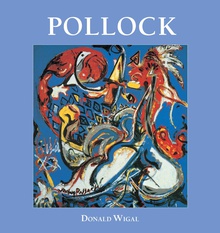
Nacido en 1912, en un pequeño pueblo de Wyoming, Jackson Pollock personificó el sueño norteamericano cuando su país enfrentaba las realidades de la era moderna que reemplazaba al siglo XIX. Pollock se marchó a la ciudad de Nueva York en busca de fama y fortuna. Gracias al Federal Art Project, logró rápidamente la aclamación del público y después de la Segunda Guerra Mundial, se convirtió en la celebridad artística más grande de Estados Unidos. Para De Kooning, Pollock fue un “rompehielos”. Para Max Ernst y Masson, Pollock fue un compañero del movimiento surrealista europeo, y para Motherwell, Pollock fue un …
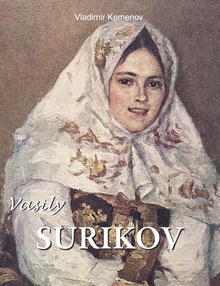
Born in Krasnoiarsk in 1848, Surikov died in Moscow in 1916. He is one of the great masters of history painting, and he occupies a special place in Russian culture. Like Delacroix, he believed that history was not a pretext for nice painting but an inexorable drama with neither culprits nor innocents but rather people driven by invisible forces. He was very knowledgeable about Russian history, and his paintings deal with crucial moments. He sought in historical events the answers to pressing problems of his time. Here is a book about a painter little-known in the West, analysed with understanding …
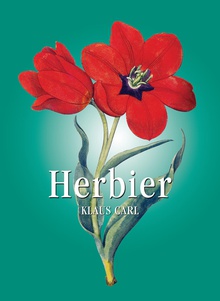
Le terme « herbier » dans son acceptation première désigne un ouvrage traitant des plantes. C'est ce sens qu'il faudra retenir pour l'herbier que nous vous proposons. Nous avons choisi l'herbier de Basilius Besler, médecin, botaniste et éditeur allemand, du XVIe-XVIIe siècle. Besler dirigea la pharmacie Zum Marienbild à Nuremberg de 1589 à 1629, ville où il créa également un jardin botanique et un cabinet de curiosités. En 1597, l'évêque d'Eichstätt demanda à Besler de créer un jardin botanique sur un terrain à Willibaldsburg. Le jardin dessiné par Besler, d'une superficie d'un hectare et comportant huit terrasses, devint rapidement célèbre. …
Utilizamos cookies propias y de terceros para mejorar su experiencia y nuestros servicios analizando su navegación en nuestra web y cómo interactúa con nosotros y poder mostrarle publicidad en función de sus hábitos de navegación. Para consentir su utilización, pulse el botón “Acepto”. Puede obtener más información consultando nuestra Política de Cookies.