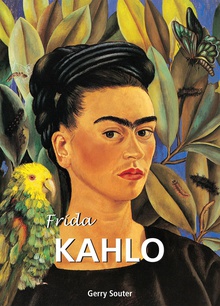
Hidden behind the portraits of Frida Kahlo is the remarkable story of the artist’s life. It is precisely this combination that attracts the spectator. Frida’s work is a testimony of her life; it is not often that one can understand an artist simply by looking within the frame of their paintings. Frida Kahlo is without any doubt Mexico’s gift to art history. She was just eighteen when a terrible accident changed her life forever, leaving her disabled and in constant pain. But her explosive temper, her unwavering determination and her eagerness gave her the strength to develop her artistic talent. …
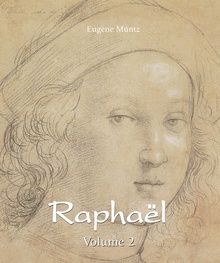
Raphaël (1483-1520), le peintre italien et architecte de la Haute Renaissance dans le premier volume, il est traite des jeunes années de sa formation et des rencontres fondatrices, ce second volume traite de ces grandes réalisations et de l’accomplissement de la maturité de son œuvre. Raphaël a longtemps été considéré comme le plus grand peintre qui ait jamais existé. « On vit clairement dans la personne, non moins excellente que gracieuse, de Raphaël à quel point le Ciel peut parfois se montrer généreux et bienveillant, en mettant – ou pour mieux dire – en déposant et accumulant en un seul …

Este libro contiene numerosas obras creadas por Picasso entre 1881 y 1914. El primer estilo del artista está marcado por la influencia de El Greco, Munch y Toulouse-Lautrec, quien lo descubrió cuando aún era un estudiante en Barcelona. Picasso, fascinado por la expresión psicológica durante su Período Azul (1901-1904), manifestó una miseria moral: sus escenas de género, naturalezas muertas y retratos están impregnados de melancolía. La pasión de Picasso luego se volcó a las figuras de acróbatas: el Período Circo. Desde 1904, la fecha de su llegada a París, su estética evolucionó considerablemente. La influencia de Cézanne y las esculturas …

Pierre Puvis de Chavannes, le 14 décembre 1824 et mort le 24 octobre 1898, est un peintre français, considéré comme une figure majeure de la peinture française du XIXe siècle. Puvis de Chavannes réalise de grands décors muraux : au palais Longchamp à Marseille (1867-1869), à l'hôtel de ville de Poitiers (1870- 1875), à l'hôtel de ville de Paris (1887-1894), à la Bibliothèque publique de Boston (1881-1896), le Panthéon de Paris, où il traite de la vie de Sainte Geneviève (1874-1878) et (1893-1898) ; l'escalier du musée des beaux-arts de Lyon (1884-1886) avec le Bois sacré ; et enfin le …
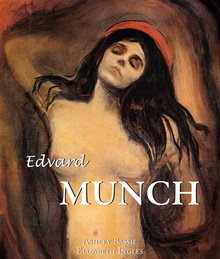
Edvard Munch (1863-1944), war ein norwegischer, bahnbrechender Maler des Symbolismus,der einen starken Einfluss auf denExpressionismus ausübte.Er war so in sein Werk involviert, dass er es seine "Kinder" nannte, was angesichts des sehr persönlichen Inhalts seiner Bilder ziemlich merkwürd erscheint. Munch drückt seine innere Unruhe und extreme Gefühle in seiner Kunst aus, besonders in seinerfrühen Karriere. Er malte nicht, was er sah, sondern wie er sich fühlte und stellte seine Morbidität und Krankheit in seinen Bildern durch eine dunkle Farbskala dar, darunter der berühmte Schrei.Jeder kann seine Emotion nachvollziehen, auch wenn sie vielleicht unterschiedlich interpretiert werden.
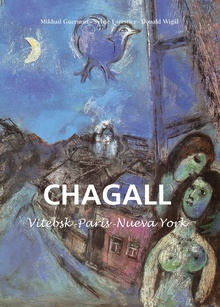
A Chagall le encantaba el azul. “El azul del cielo que incesante combate las nubes que pasan, que pasan” (Baudelaire). El viaje de Marc Chagall se inicia en su nativa Rusia y culmina con su triunfo en París, el extraordinario techo de la Casa de la Ópera de París que le comisionó Malraux. A lo largo del camino, su inspiración se empapó en el espíritu del siglo XX, sin jamás negar sus orígenes judeo-rusos. Esta obra sigue la huella del artista desde sus primeros trabajos hasta su descubrimiento de Estados Unidos y su pasión por Francia. Marc Chagall, que jamás …
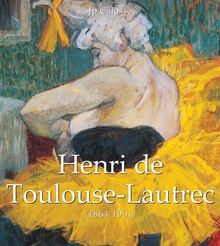
Henri de Toulouse-Lautrec, berühmt für seine Plakate für Kabaretts und Schauspiele, war der Maler des Pariser Nachtlebens par excellence. Das Bohemien-Milieu dieser Zeit gab er in zahlreichen Bildern und Lithografien wieder, die die untersten Schichten der Gesellschaft repräsentieren. Als Maler des Pariser Lebens am Ende des 19. Jahrhunderts, war Henri de Toulouse-Lautrec (1864-1901) ein Künstler, dessen Oeuvre sich von dem seiner Zeitgenossen stark unterscheidet. Als Maler des Postimpressionismus und des Expressionismus des ausgehenden 19. Jahrhunderts malte er in ungeschmückten Szenen Tänzer und Sänger in Cabarets und den Vergnügungslokalen sowie Szenen aus der aus dem Milieu der Halbwelt der Hauptstadt. Seine …
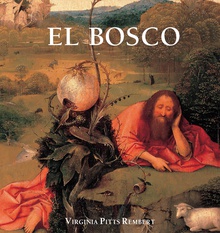

“I am not interested in myself as a subject for painting, but in others, particularly women…”Beautiful, sensuous and above all erotic, Gustav Klimt’s paintings speak of a world of opulence and leisure, which seems aeons away from the harsh, post-modern environment we live in now. The subjects he treats – allegories, portraits, landscapes and erotic figures – contain virtually no reference to external events, but strive rather to create a world where beauty, above everything else, is dominant. His use of colour and pattern was profoundly influenced by the art of Japan, ancient Egypt, and Byzantium. Ravenne, the flat, two-dimensional …
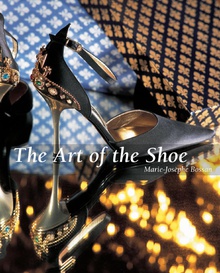
Abandoning a French look on the subject, Mrs. Bossan, the author, develops her study with a dichotomous vision: that of time that touches the history of mankind and that of geography and sociology, which lead to an almost ethnographic analysis. The author dissects the shoe and all that surrounds it: from its history to painting and literature. After this book, it will be difficult to publish a book with a more complete treatment of the subject. Illustrated with an iconography that is exceptional both for its aestheticism and the pieces chosen, this book is a reference for historians, sociologists and …
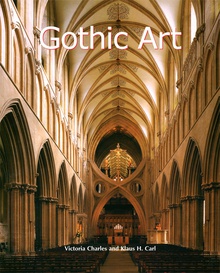
Gothic art finds its roots in the powerful architecture of the cathedrals of northern France. It is a medieval art movement that evolved throughout Europe over more than 200 years. Leaving curved Roman forms behind, the architects started using flying buttresses and pointed arches to open up cathedrals to daylight. A period of great economic and social change, the Gothic era also saw the development of a new iconography celebrating the Holy Mary – in drastic contrast to the fearful themes of dark Roman times. Full of rich changes in all of the various art forms (architecture, sculpture, painting, etc.), …
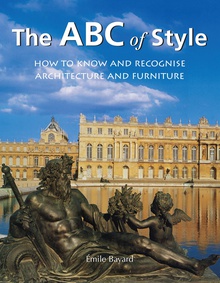
Ever wondered why your ceiling is shaped like the arches in a gothic cathedral? Or why your offi ce building looks so different from its neighboring counterparts? The ABC of Style invites you to explore the many different architectural and decorative interior styles from their ancient origins to the 1940s. Take a journey through history to see how the French aristocracy styled their palaces and castles to the simple designs of the Dominican monastic churches during the middle ages. Often, political changes implicate a stylistic transformation. Thus, the different European styles were frequently named after a sovereign or a historical …
Utilizamos cookies propias y de terceros para mejorar su experiencia y nuestros servicios analizando su navegación en nuestra web y cómo interactúa con nosotros y poder mostrarle publicidad en función de sus hábitos de navegación. Para consentir su utilización, pulse el botón “Acepto”. Puede obtener más información consultando nuestra Política de Cookies.