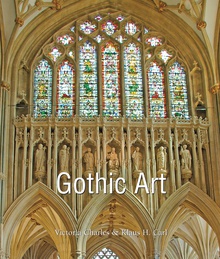
Gothic art finds its roots in the powerful architecture of the cathedrals of northern France. It is a medieval art movement that evolved throughout Europe over more than 200 years. Leaving curved Roman forms behind, the architects started using flying buttresses and pointed arches to open up cathedrals to daylight. A period of great economic and social change, the Gothic era also saw the development of a new iconography celebrating the Holy Mary – in drastic contrast to the fearful themes of dark Roman times. Full of rich changes in all of the various art forms (architecture, sculpture, painting, etc.), …
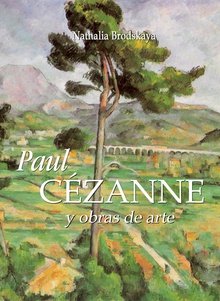
Desde su muerte, hace 100 años, Cézanne se ha convertido en el pintor más famoso del siglo XIX. Nació en Aix-en-Provence en 1839 y el periodo más feliz de su vida fue su primera juventud en Provenza, en compañía de Emile Zolá. Siguiendo el ejemplo de Zolá, al cumplir los veintiún años, Cézanne se marchó a París. Durante la guerra franco-prusiana desertó de la milicia, y dividió su tiempo entre pintar al aire libre y estudiar. Al comerciante de arte Vollard le dijo: “Sólo soy un pintor. El ingenio parisino me fastidia. Lo único que quiero es pintar desnudos en …
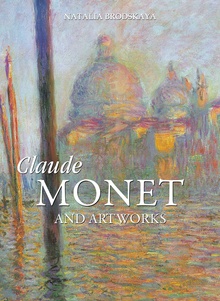
For Claude Monet the designation ‘impressionist’ always remained a source of pride. In spite of all the things critics have written about his work, Monet continued to be a true impressionist to the end of his very long life. He was so by deep conviction, and for his Impressionism he may have sacrificed many other opportunities that his enormous talent held out to him. Monet did not paint classical compositions with figures, and he did not become a portraitist, although his professional training included those skills. He chose a single genre for himself, landscape painting, and in that he achieved …
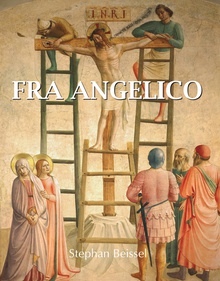
Secluded within cloister walls, a painter and a monk, and brother of the order of the Dominicans, Angelico devoted his life to religious paintings. Little is known of his early life except that he was born at Vicchio, in the broad fertile valley of the Mugello, not far from Florence, that his name was Guido de Pietro, and that he passed his youth in Florence, probably in some bottegha, for at twenty he was recognised as a painter. In 1418 he entered in a Dominican convent in Fiesole with his brother. They were welcomed by the monks and, after a …
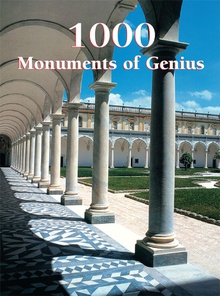
Since the mythical Tower of Babel, humans have continuously tried to erect monuments to match their oversized egos. With ancient ziggurats, the Taj Mahal or the Empire State Building, man has for centuries demonstrated his force by raising structures for purposes both religious and profane. As international cultural statements without words, symbols of a peoples values devotion, patriotism, power symbols of a civilisationÊs grandeur, these monuments still fascinate and attract an ever-growing public who is captivated by the createvity and ingenuity of these architects and stonemasons. Their historical message goes far beyond mere art history, for they tell us of …
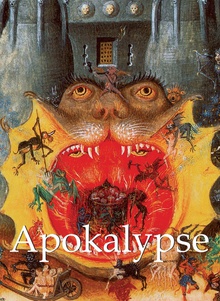
Das letzte Buch der Bibel, die Offenbarung des Johannes (im Englischen auch "Apocalypse"), prophezeit das Ende aller Zeiten und schildert die Ereignisse, die das Weltende markieren werden. Während des Mittelalters wurde das Motiv des Weltuntergangs zu einem zentralen Thema in der Kunst und gleichzeitig ein Schreckgespenst des Volkes, das unter dem Einfluss religiöser Autorität in tiefer Angst vor einem zornigen Gott lebte. Glücklicherweise hielt dies die Künstler der Apokalypse nicht davon ab, ihrer Fantasie freien Lauf zu lassen und den stark symbolischen Charakter des Offenbarungstexts auf vielfältigste Art und Weise zu deuten und in den verschiedensten Werkstoffen umzusetzen. Dieses Buch …

Paul Klee gehört zu den Künstlern, die sich nur schwerlich einer bestimmten kunstgeschichtlichen Bewegung zuordnen lassen. In engem Kontakt mit Wassily Kandinsky und Franz Marc gehörte er wie diese der expressionistischen Künstlergruppe Der Blaue Reiter an. Später knüpfte er Verbindungen zum Bauhaus und unterrichtete sogar Malerei an der Dessauer Schule. Seiner Ansicht nach ging es bei der Kunst keineswegs um die Produktion, sondern vielmehr darum, die Dinge äußerst sichtbar werden zu lassen. In seinen Gemälden vereinte Klee geschickt die zu Beginn des 20. Jahrhunderts vorherrschenden Tendenzen. Er führte kubistische und orphistische Elemente in den deutschen Expressionismus ein und verlieh seinen …
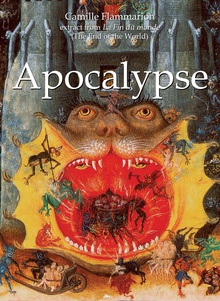
The final book of the Bible, known both as The Book of Revelation and The Apocalypse of John, is a prophesy of the events that will occur at the end of time. During the Middle Ages, in a society which held a deep belief in God and was mainly ruled by religious authorities, this apocalyptic theme recurs in art, through various media, including tapestries, illuminations, sculpture, and painting. This book pools the most famous pieces of art inspired by this theme, such as the Apocalypse drapery from Angers Cathedral, the carved tympanum of the Autun Cathedral, and the fresco in …
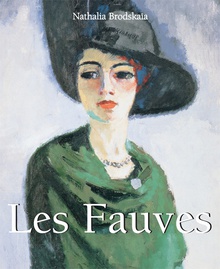
Apparu à l’aube du XXe siècle, le Fauvisme explosa sur la scène artistique lors du Salon d’automne de 1905 en un scandale retentissant. En jetant des couleurs pures sur la toile, les fauves défièrent les conventions artistiques. Matisse, Derain, Van Dongen ou encore Vlaminck expérimentèrent ainsi un nouveau langage chromatique en détournant la couleur de son signifié. Libérée de tout sens, la couleur saturée et appliquée en larges aplats devint leur principal matériau. Dans cet ouvrage, l’auteur entraîne le lecteur dans un tourbillon de couleurs vives et franches, et montre combien la violence des fauves laissa son empreinte sur le …

Sandro Botticelli (Alessandro di Mariano Filipepi) (Florence, 1445 – 1510) Botticelli était le fils d'un citoyen jouissant d'une situation confortable, et avait été «instruit dans toutes les choses que les enfants doivent habituellement savoir avant de choisir une vocation ». Mais il refusa de consacrer son attention à la lecture, l'écriture et le calcul, poursuit Vasari, de sorte que son père, désespérant de le voir un jour à l'école, le plaça en apprentissage auprès de l'orfèvre Botticello, d'où le nom qui est passé à la postérité. Mais Sandro, jeune garçon à l'air entêté, doté de grands yeux calmes et scrutateurs …
Utilizamos cookies propias y de terceros para mejorar su experiencia y nuestros servicios analizando su navegación en nuestra web y cómo interactúa con nosotros y poder mostrarle publicidad en función de sus hábitos de navegación. Para consentir su utilización, pulse el botón “Acepto”. Puede obtener más información consultando nuestra Política de Cookies.