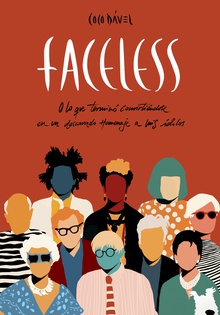
Este libro nace de la necesidad de recopilar varios retratos sin rostro surgidos por un acertado error una tarde de miércoles de 2015: Faceless Collection es una serie que mezcla elementos del pop y del neorrealismo para inmortalizar a cantantes, cineastas, artistas y otros personajes famosos. Se trata de unas fantásticas obras coloridas, desenfadadas y alegres a partir de las cuales la autora disecciona el universo de cada personaje, creando «constelaciones» de influencias artísticas y de todo aquello que también ha marcado su vida y su carrera como pintora. Un sentido tributo a una panda de genios descarados por parte …
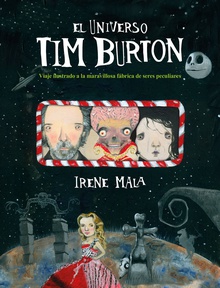
Un libro ilustrado que recrea el inquietante y tenebroso universo de Tim Burton, uno de los directores de cine más rompedores de su generación. A través de sus inconfundibles ilustraciones, Irene Mala nos transporta a escenarios llenos de misterio, poblados por criaturas bizarras y oscuras, y nos permite repasar la carrera única de este cineasta mítico.
Arte humano, el nuevo rol del artista plástico es un libro basado en entrevistas a artistas y a grupos de artistas que miran hacia un mundo que cambia rápidamente. El libro recopila historias que se sumergen en diferentes facetas humanas para crear su arte, como la ética, la historia, la religión, la solidaridad, la metafísica y la magia. Ellos reflejan en obras o acciones hechos pasados y del presente para que sean visibles o para que no vuelvan a repetirse —el holocausto nazi, la dictadura en Argentina o la irresponsable publicidad de alimentos dañinos para los niños—. Este libro muestra …
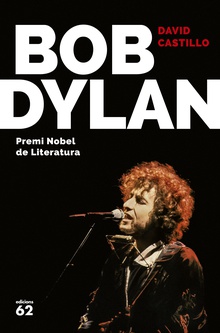
La primera i única biografia en català del Premi Nobel de Literatura 2016. La concessió del premi Nobel de literatura 2016 culmina l'obra de Bob Dylan, un dels cantautors més importants del segle xx, pont entre tradicions i estils musicals, entre la música i la poesia. El guardó confirma unes lletres que va començar a presentar el 1961 al primer disc, que, tot i que va passar pràcticament desapercebut, el van convertir des d'aquells mateixos anys en un torrent de creativitat pròpia i aliena. Tal com va dir Pere Gimferrer, "a veure si recordem que la poesia dels trobadors tota …
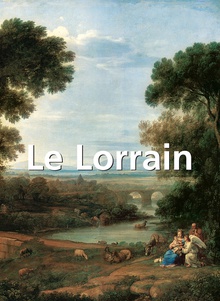
Claude Gellée (Le Lorrain) (Chamagne, 1604 – Rome, 1682) Claude Gellée, surnommé Le Lorrain, ne fut ni un grand homme, ni un esprit noble comme Poussin. Toutefois, on ne peut nier son génie et il fut, à l'instar de Poussin, un inventeur profondément original dans les limites imposées par l'idéal classique. Il passa aussi presque toute sa vie à Rome bien que son art ne fût pas spécifiquement italien, mais bien français. En effet, plus de deux siècles plus tard, tous ceux qui, en France, ressentirent le désir de décrire les beautés de la nature, s'inspirèrent du Lorrain et de …
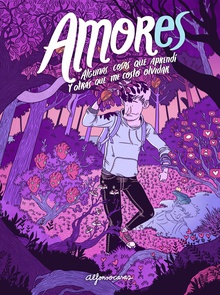
Muchos de nosotros crecimos pensando que amor y dolor eran dos caras de la misma moneda. Eso nos decían las películas románticas de Hollywood y las canciones pop que, en un ataque de masoquismo, elegíamos como fondo de nuestras rupturas. El amor era la respuesta a todas las preguntas, las noches en vela, los dramas, el sufrimiento. Y, así, fuimos de relación en relación, esperando a que alguien nos salvara a saber de qué peligro y nos llevara a saber a qué lugar, y entonces por fin seríamos felices. Hasta que, después de tropezar varias veces con la misma piedra …
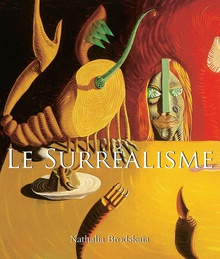
Le mouvement Dada et ensuite les surréalistes sont apparus dans la foulée de la Première Guerre mondiale dans une explosion d’idées : la révolution de la pensée, la créativité et le désir de rompre avec le passé et tout ce qui restait du passe. Ce refus de s'intégrer dans la société bourgeoise amène Georg Grosz à faire remarquer à Dada que « c'est la fin des ismes ». Breton affirme que Dada ne produit pas de perspective, « une machine qui fonctionne à plein régime, mais où reste-t-il à voir? Il peut se nourrir lui-même ». Le surréalisme a émergé …
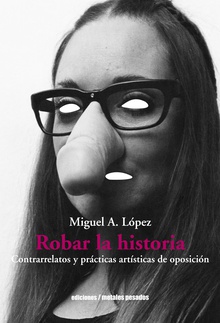
Este libro conjuga un recorrido ejemplar por la producción artística latinoamericana. Nos vemos aquí envueltos en la contingencia vital de un pensamiento que se siente atraído por las interrupciones y no por las continuidades, por los estallidos y no por las restauraciones, por las mezcolanzas de cuerpos y género(s) desensamblados y no por las identidades plenas, por las roturas de parentescos y no por los linajes directos, por los saberes entrecortados y no por la síntesis unitaria de un conocimiento íntegro. Robar la historia. Contrarrelatos y prácticas artísticas de oposición tiene como horizonte las mutaciones sociales y culturales que llevaron …
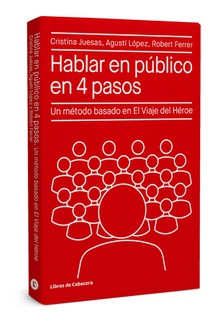
Tanto en el trabajo como en la vida cotidiana nos toca hablar en público con frecuencia: una reunión en la oficina, el lanzamiento de un proyecto o una junta de la comunidad de vecinos. En este libro los autores exponen un método innovador para preparar charlas y presentaciones utilizando la estructura del conocido viaje del héroe, simplificándolo y adaptándolo a cuatro pasos. No necesitas ser un orador con experiencia previa para dejar a tu audiencia con la boca abierta y ganas de más. En Hablar en público en 4 pasos: un método basado en El Viaje del Héroe podrás aprender …
Utilizamos cookies propias y de terceros para mejorar su experiencia y nuestros servicios analizando su navegación en nuestra web y cómo interactúa con nosotros y poder mostrarle publicidad en función de sus hábitos de navegación. Para consentir su utilización, pulse el botón “Acepto”. Puede obtener más información consultando nuestra Política de Cookies.