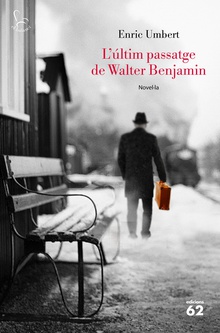
Setembre del 1940, Walter Benjamin forma part d'un petit grup que ha de passar d'amagat la frontera francoespanyola. Fugen de la Gestapo. Des que els nazis van arribar a França, la situació es va tornar insostenible a París, i ell va fugir a Marsella, on va aconseguir el visat, que, des d'Espanya, li ha de permetre arribar a Lisboa i d'allà als EUA. Mentre Walter Benjamin camina amb la càrrega d'una maleta a través de camins de muntanya, conversa amb els seus companys de travessia i recorda certs moments cabdals de la seva vida que han marcat la seva obra …


Todos hemos tenido un mote, a todos nos han llamado "gordi", "orejón", "moco", "enano", pero ¿cuándo dejan estas palabras de ser apelativos cariñosos para convertirse en armas arrojadizas? ¿En qué momento hacen que cambiemos la visión de nuestro propio cuerpo y la forma de relacionarnos con el mundo? Hoy Miren echa la vista atrás y recuerda sus momentos más oscuros para demostrarnos que juzgarnos solo por nuestro cuerpo, o darle el poder a otros para hacerlo, no es una alternativa. Que no hay que avergonzarse y que un "que os den" a tiempo puede salvarnos de caer en una espiral …
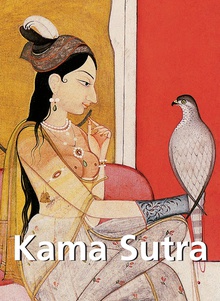

Alfred Sisley (1839-1899) gilt als der Schüchternste unter den Impressionisten und obwohl er künstlerisch immer im Schatten von Pierre-Auguste Renoir und Claude Monet stand, verband ihn mit beiden eine lebenslange Freundschaft. In Sisleys Landschaftsbildern ist stets ein Gefühl aufrichtiger Bewunderung für die Natur zu spüren, eine große Zärtlichkeit und zugleich ein wenig Trauer. Die Natur wird nicht einfach auf der Leinwand wiedergegeben. Vielmehr steht die Farbe im Dienst des Ausdrucks einer ganzen Skala von Gefühlen, die die Natur im Menschen erweckt. Mit dieser umfangreich bebilderten Ebook-Monografie wird der Versuch unternommen, Sisley zu der künstlerischen Beachtung zu verhelfen, die ihm zu …

Von Pablo Picasso erzählt man, er hätte zu zeichnen angefangen, noch bevor er sprechen konnte. Geboren wurde er in Málaga, und hier verbrachte er auch die ersten zehn Jahre seines Lebens. Von seinem Vater lernte Pablo die Grundlagen der akademischen Malkunst. Er besuchte eine Kunstschule in Barcelona und schrieb sich 1897 an der Kunstakademie in Madrid ein. Noch keine 18 Jahre alt, erreichte Picasso den Höhepunkt seiner künstlerischen Rebellion und verwarf nicht nur die anämische Ästhetik der akademischen Kunst, sondern auch den prosaischen Realismus und schloss sich den Modernisten, also den nonkonformistischen Künstlern und Schriftstellern an, die Sabartés als die …

Am Zeitraum zwischen Geburt und Tod der Georgia O’Keeffe (1887-1986) streift die gesamte moderne Geschichte der Vereinigten Staaten vorbei wie ein Hollywood-Film. Aus einer kleinen Stadt stammend, schafft sich Georgia O’Keeffe erst in New York einen Namen; jenes New York, das Mitte des 20. Jahrhunderts Paris als Welthauptstadt der Kunst ablöst. Sie wurde vor allem durch ihre komplexen Naturbeschreibungen wie beispielsweise der Zartheit eines Herbstblattes, den subtilen Nuancen einer Blüte oder der Symmetrie eines Tierschädels bekannt. Heute assoziiert man Georgia O’Keeffe mit kraftvollen Farben und der wilden Schönheit der Wüste Neu Mexikos, wo sie bis zu ihrem Tod im Jahr …
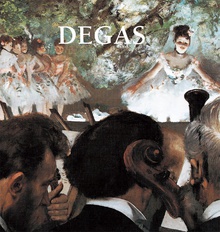
Degas was closest to Renoir in the impressionist’s circle, for both favoured the animated Parisian life of their day as a motif in their paintings. Degas did not attend Gleyre’s studio; most likely he first met the future impressionists at the Café Guerbois. He started his apprenticeship in 1853 at the studio of Louis-Ernest Barrias and, beginning in 1854, studied under Louis Lamothe, who revered Ingres above all others, and transmitted his adoration for this master to Edgar Degas. Starting in 1854 Degas travelled frequently to Italy: first to Naples, where he made the acquaintance of his numerous cousins, and …
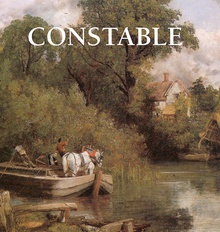
John Constable (East Bergholt, 1776 – Hampstead, 1837). John Constable fut le premier peintre de paysage anglais qui ne tira pas son enseignement des peintres hollandais. Assez proche de la vision de Rubens, c'est à Gainsborough qu'il doit tout : ses paysages, avec leurs grands massifs d'arbres bien répartis à travers le décor vallonné, possèdent un rythme souvent présent chez Rubens. Son originalité ne repose pas sur le choix de ses sujets, qui se contentent parfois de reprendre les thèmes affectionnés par Gainsborough. Néanmoins, Constable semble vraiment appartenir à un autre siècle : il introduit une ère nouvelle et cette …
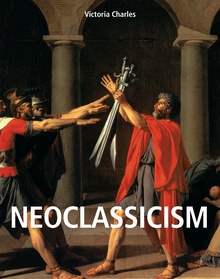
In the arts, Neoclassicism is a historical tradition or aesthetic attitude based on the art of Greece and Rome in antiquity. The movement started around the 18th-century, age of Enlightenment, and continued into the early 19th-century The general credo associated with the aesthetic attitude of Classicism was that art had to be rational and therefore morally better. Neoclassicists also believed that art should be cerebral, not sensual and therefore characterised by clarity of form, sober colours and shallow space. It was a reaction against both the surviving Baroque and Rococo styles, and a desire to return to the perceived ""purity"" …
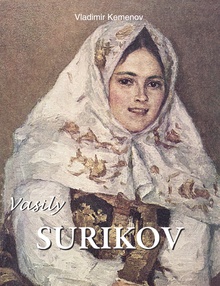
Born in Krasnoiarsk in 1848, Surikov died in Moscow in 1916. He is one of the great masters of history painting, and he occupies a special place in Russian culture. Like Delacroix, he believed that history was not a pretext for nice painting but an inexorable drama with neither culprits nor innocents but rather people driven by invisible forces. He was very knowledgeable about Russian history, and his paintings deal with crucial moments. He sought in historical events the answers to pressing problems of his time. Here is a book about a painter little-known in the West, analysed with understanding …
Utilizamos cookies propias y de terceros para mejorar su experiencia y nuestros servicios analizando su navegación en nuestra web y cómo interactúa con nosotros y poder mostrarle publicidad en función de sus hábitos de navegación. Para consentir su utilización, pulse el botón “Acepto”. Puede obtener más información consultando nuestra Política de Cookies.