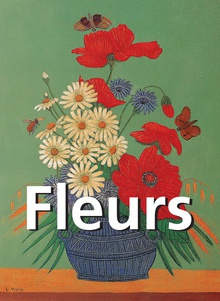
« Lorsque vous prenez une fleur dans les mains et que vous la regardez attentivement, elle devient votre univers le temps d'un instant. Je veux offrir cet univers aux autres, à tous ceux qui n'ont pas le temps de regarder une fleur. Je veux que les gens la voient, qu'ils le veuillent ou non », disait Georgia O'Keeffe. Les fleurs sont au centre de la plupart des natures mortes de notre art pictural. La palette de couleurs, la diversité des formes et des textures qu'elles offrent en font surtout un sujet de représentation idéal, se prêtant à toutes les techniques …
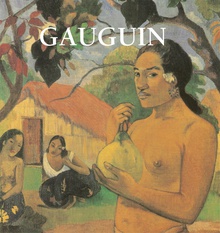
Paul Gauguin was first a sailor, then a successful stockbroker in Paris. In 1874 he began to paint at weekends as a Sunday painter. Nine years later, after a stock-market crash, he felt confident of his ability to earn a living for his family by painting and he resigned his position and took up the painter’s brush full time. Following the lead of Cézanne, Gauguin painted still-lifes from the very beginning of his artistic career. He even owned a still-life by Cézanne, which is shown in Gauguin’s painting Portrait of Marie Lagadu. The year 1891 was crucial for Gauguin. In …
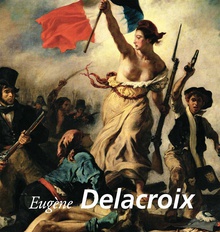
Ferdinand Victor Eugène Delacroix (Saint-Maurice, 1798 – Paris, 1863) Delacroix fut l'un des plus grands coloristes du XIXe siècle. La couleur était pour lui un moyen d'expression déterminant, qui avait la préséance sur la forme et les détails. Il parlait à l'oeil, moins à la raison. Il se nourrissait des oeuvres des coloristes du Louvre, en particulier de Rubens. Spirituellement, Delacroix s'inscrivait au coeur du mouvement romantique qui s'était répandu en Europe, se nourrissant de Goethe, Scott, Byron et Victor Hugo. Sa propre nature romantique s'enflammait au contact des leurs ; il était possédé par leurs âmes et devint le …
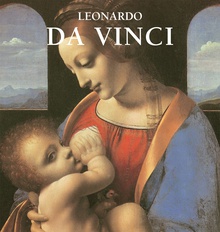
“War Leonardos deutliche Berufung zur wissenschaftlichen Forschung eine Hilfe oder ein Hindernis für seine Arbeit als Künstler? Er wird gewöhnlich als ein Beispiel für die Möglichkeit eines Bündnisses von Kunst und Wissenschaft angeführt. In ihm, so heißt es zumeist, erhielt das schöpferische Genie durch die analytische Fähigkeit zusätzlichen Antrieb; der Verstand verstärkte die Vorstellungskraft und die Gefühle. […] Leonardo war ein tiefgründiger Gelehrter und unvergleichlicher Schöpfer und ist der einzige Mensch in unserer Geschichte, der in die geheimnisvollsten Verstecke der Wahrheit eingedrungen ist und gleichzeitig Visionen der strahlendsten Schönheit heraufbeschworen hat, der die Wissenschaft des Aristoteles mit der Kunst des …

Das vorliegende Werk zeichnet Velázquez’ Leben sowohl anhand seiner Werke als auch anhand seiner Reisen nach und berücksichtigt dabei neben der künstlerischen auch die königliche Szenerie im Spanien des 17. Jahrhunderts. Von seinen Anfängen bei Pacheco bis zu den letzten Jahren als Hofmaler porträtiert der mit einer unglaublichen Energie und Hingabe ausgestattete Maler die einflussreichsten Persönlichkeiten seiner Zeit und amtiert gleichzeitig als Reformer der prächtigen spanischen Paläste. So wie Velázquez durch sein Leben und seine erstaunliche Technik unvergessen bleibt, ist es ebenso eindrucksvoll, wie viele Porträts er hinterlassen hat. Mit dem Anspruch, seinen Text von den sonst üblichen Monographien abzugrenzen, …
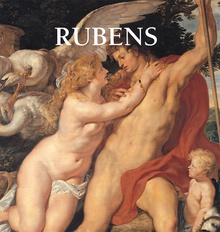
The eclectic art of which the Carracci family dreamed was realised by Rubens with the ease of genius. However, the problem was much more complicated for a man of the north, who wished to add to it a fusion of the Flemish and Latin spirits, of which the rather pedantic attempts of Romanism had illustrated the difficulties. He achieved it without losing anything of his overflowing personality, his questing imagination, and the enchanting discoveries of the greatest colourist known to painting. Rubens, the greatest master of Baroque painting’s exuberance, took from the Italian Renaissance what could be of use to …
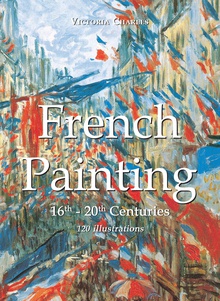
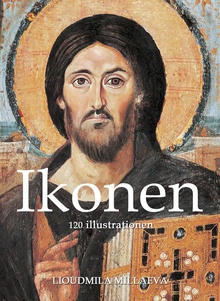
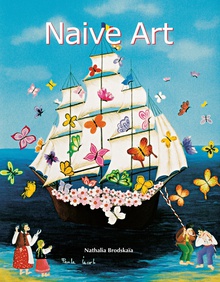
Naive art first became popular at the end of the 19th century. Until that time, this form of expression, created by untrained artists and characterised by spontaneity and simplicity, enjoyed little recognition from professional artists and art critics. Influenced by primitive arts, naive painting is distinguished by the fluidity of its lines, vivacity, and joyful colours, as well as by its rather clean-cut, simple shapes. Naive art counts among it artists: Henri Rousseau, Séraphine de Senlis, André Bauchant, and Camille Bombois. This movement has also found adherents abroad, including such prominent artists as Joan Miró, Guido Vedovato, Niko Pirosmani, and …
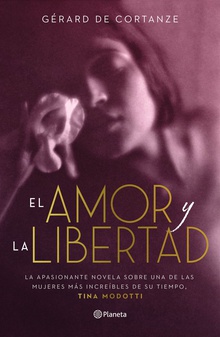
Nueva York, 1914. Tina, una joven italiana de dieciséis años, espera ansiosa su turno en el control de inmigración, con nerviosismo sostiene un sombrero en la mano derecha y en la izquierda una maleta. Tras encontrarse con su padre en San Francisco, decide mudarse a Hollywood con la esperanza de ver su nombre en las salas de cine. Sin embargo, la vida le tiene preparado otro camino y, después de conocer al fotógrafo Edward Weston, la pasión la arrastra a una ciega y turbulenta historia de amor. Mientras explora su libertad sexual y artística, viaja a México, donde se sumerge …
Utilizamos cookies propias y de terceros para mejorar su experiencia y nuestros servicios analizando su navegación en nuestra web y cómo interactúa con nosotros y poder mostrarle publicidad en función de sus hábitos de navegación. Para consentir su utilización, pulse el botón “Acepto”. Puede obtener más información consultando nuestra Política de Cookies.